
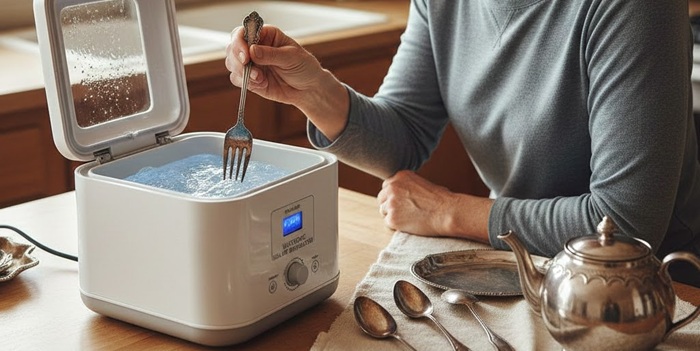
Silver jewelry, handcrafted luxury silverware, coins, and solid silver bars are great investment options for many. These are also often bought as gifts for special occasions such as anniversaries, family get-togethers, engagements, etc.
If your once-shiny sterling silver jewelry (carrying an emotional attachment) now looks like it survived a pirate shipwreck, don’t worry—you’re not alone.
You just need to clean and maintain these pieces (such as a silver necklace, anklet, bracelet, or chain) well so that they look good even after years of use.
Thanks to modern ultrasonic silver cleaners, which can be utilized to preserve that mirror-like sparkle, sheen, and aesthetic properties of silver jewelry in its original vitality for a long time, even when it is tarnished.
Let’s break down how to safely and effectively restore your silver’s shine using this powerful (and surprisingly satisfying) little machine.
Why Does Silver Get Tarnished?
Tarnish is a very thin corrosion layer that forms on your silver items over time.
The dulling is mainly due to the chemical reaction caused by hydrogen sulfide or sulfur in the atmosphere. It looks dark in color and is unpleasant to the eyes.
The truth is, silver tarnishes fast, especially when it’s sitting in drawers, exposed to humidity, or, let’s be honest, worn during “quick chores” that turned into full cleaning marathons.
Sterling silver vs pure silver – which tarnishes faster?
Sterling silver almost always tarnishes faster than pure silver—and there’s a simple reason for that.
Pure silver is 99.9% silver, which means it barely reacts with oxygen or moisture in normal conditions. It’s naturally resistant to tarnish.
But the problem is that pure silver is too soft for everyday jewelry, so it’s rarely used on its own.
Sterling silver, on the other hand, contains 92.5% silver and 7.5% other metals—mostly copper. And copper loves to react with sulfur, oxygen, and even humidity in the air. That reaction forms the dark tarnish layer you see.
So even if you keep your silver in airtight boxes or pouches, those reactive metals will still slowly oxidize over time. That’s why most real-world silver pieces—especially sterling—end up dulling or darkening sooner or later.
The good news is you don’t need expensive polishing kits or a professional jeweler every time your silver dulls.
The oxidized or tarnished silver can be restored by polishing using steel wool, a silver polish, or a polishing pad. You can also use ultrasonic methods to get the shine back, which is a much faster and efficient way to clean tarnished silver jewelry and silverware at home.
By using these efficient ultrasonic silver cleaning devices once in a while, your jewelry can be effectively saved from getting tarnished over time (which is a natural process).
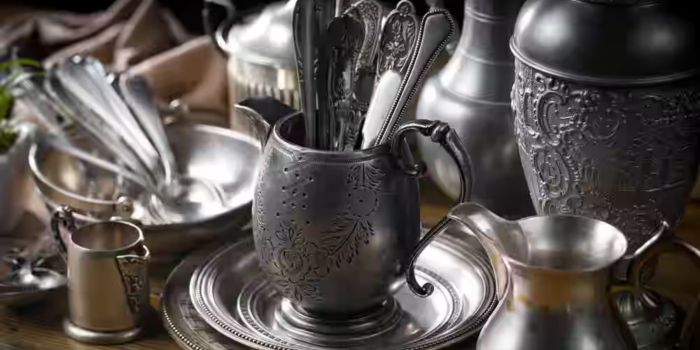
7 Ways to Clean Silver Items at Home
*At no extra cost to you, Ultrasonic-Cleaners.org may earn compensation, if you make a purchase through links on this page.Although silver is an amazing and beautiful metal, it becomes prey to dulling tarnish.
Being used regularly with heavy makeup and perfumes, the need arises to maintain it with cleaning steps and tips that give sparkling, clear, and new-condition jewelry to match any of the outfits you desire.
This also means that you need to know the right tips to clean the sensitive silver jewelry at home so that you get back its brightness without any harm or damage made to the metal itself.
So, here are some very useful DIY home remedies for the common cleaning of items that have fewer stains on them.
1- Toothpaste
Toothpaste for silver cleaning is often recommended and used by many as it gives pretty decent results at a very affordable cost. Care that you use only white toothpaste and not gel-based colored ones.
You just need to rub the toothpaste (you use for brushing teeth daily) on the silver item, just like soap. After a few seconds, wipe it off with a paper towel or silver cleaning cloth.
The results you will see will be highly admirable and the fun part is that you will prevent all that odor that may be caused by using the chemical-based silver cleaning solutions.
2- Vinegar
Every woman desires a clean and sparkling silver ornament with a smudge-free look. If you are very much concerned about your silver jewelry and are looking for the best tricks to apply, then luckily, you have vinegar.
White vinegar in your kitchen is a very gentle and chemical-free substance that can be used on jewelry articles to get its sparkling and gleaming look back similar to a professional service.
Mix white vinegar and baking soda in a bowl and lay the silver jewelry in it to settle for an hour. Later clean with the toothbrush and hold it under the valve of the running water.
3- Baking soda
Many are sick of the smelly and tarnished silver ornaments they have in their home. Fortunately, we have a homemade silver cleaner for them.
To clean it, you need to add baking soda to the boiling water and add the ornaments to it to settle at the bottom.
Leave it for half an hour and brush it in a simple way to get rid of dirt and grime. Wipe it clean with a soft cloth to get the sparkling jewelry once again.
If you feel the dirt is too stubborn and heavy to clean, you can try making a paste of (1 part baking soda in 2 parts of water). Use this paste to rub against the item and then wipe it clean.
4- Aluminum foil
Cleaning silver with aluminum foil and salt (or baking soda) is one of our best-recommended techniques to follow.
However, you need to be safe and careful while performing the cleaning task as the silver jewelry contains adhesives that might crumble or break up.
Well, tear a piece of aluminum foil larger than the bottom of a dish, crumble it gently, and then un-crumble it.
Set the jewelry pieces on the uncrumbled foil and dust with baking soda. Place a cup of water in a small pot on the burner and boil for 5 minutes on low flame.
Now transfer the hot water into the dish. Dip the jewelry and let it settle in hot water until the dirt, grime, and tarnish are removed.
5- Silver polish solution
Silver is soft, and it gets scratched easily. When dirt and grime settle on the silver costume jewelry, it gives an old and faded look.
To clear it up and make it sparkling once again, you need to purchase a silver polish solution that is specially formulated to remove the developed tarnish on it.
You can get it from a jewelry store or from a jewelry department that can suggest to you the way to use it and maintain the delicate piece.
Just apply the polish to your sterling silver jewelry and rub it in simple motions with a soft cloth to get back its original look at home without damaging it.
6- Polishing cloth and cleaning kit
In addition to various silver polishing and cleaning kits, microfiber cloth, and special jewelry cloth, there are specialized foams available that work by lifting tarnish through mild chemical action while using gentle abrasives to buff the surface clean.
When applied, the silver polishing foam (like Goddard’s) softens the sulfur-based tarnish, loosens oxidation, and allows it to be wiped away easily. The foam also leaves a protective layer that slows future tarnishing.
Make sure that when you are using a silver cleaning/polishing cloth or foam, you use different parts of the cloth for cleaning. This will avoid the spreading of tarnish on your piece.
Also, ensure that you maintain long up-and-down strokes. Do not use circular motions, as they can make the tarnish worse, damaging your pieces.
You can consider this option when you want to quickly clean your items, like cleaning your silver jewelry items when going to a party.
7- Ultrasonic silver cleaning machine
Although various methods can be utilized for cleaning tarnished silver, using ultrasonic technology and steam is one of the best and most recommended.
As these professional silver cleaning machines are completely safe to use at home and in shops, they are considered the best option for cleaning sterling silver jewelry.
I usually use my ultrasonic silver cleaner followed by a kit for cleaning and polishing the silver to get long-lasting, dazzling results.
Do remember that, there are people who advise using products such as beer, vodka, coca-cola, and ketchup for silver cleaning. But I highly recommend that you do not use such products as these can cause more harm than good. In a pinch, if you want to use you can go with your regular window cleaner or a laundry detergent.
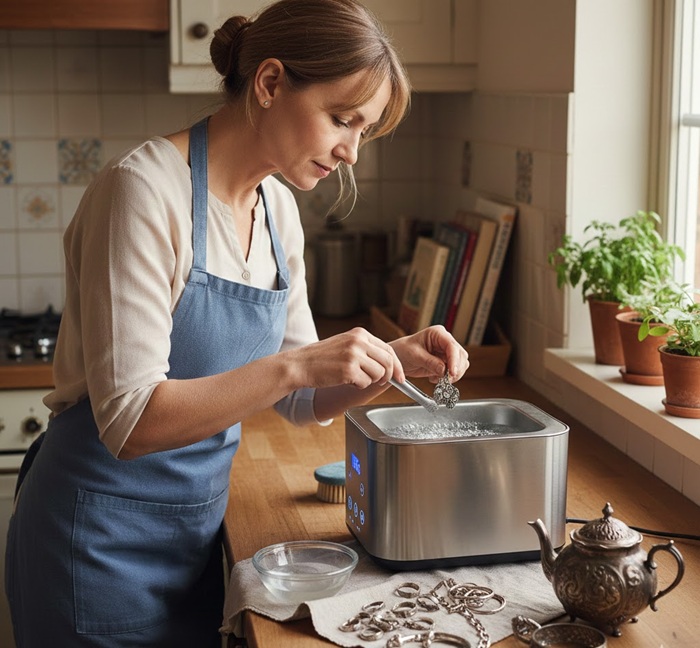
How Well Does Ultrasonic Jewelry Cleaner Work On Silver?
Although an ultrasonic cleaner works to clean soiled silver jewelry, it DOES NOT WORK to remove the tarnish completely. Also, these ultrasonic silver cleaner machines do not polish your silver items.
In general, these machines can work pretty well to remove the dirt, oil, and perfume deposited on your silver jewelry due to daily wear and tear.
However, since tarnish is a chemical reaction or a process that silver or copper jewelry undergoes due to environmental effects, it cannot be completely cleaned.
To get better finishing and shine, you can instead polish them away.
How Does the Cleaning Device Work?
Devices such as Magnasonic, GemOro Sparkle Spa Pro, Trioshine, and many others are highly recommended for their effectiveness in restoring silver jewelry.
These are fully advanced and utilize the best technology for cleaning silver jewelry without causing it any harm.
The ultrasonic silver cleaning process is executed in a specially designed metallic tank with a detachable basket filled with warm soapy water or a special silver cleaning solution.
When switched ON, the machine generates ultrasonic waves up to 42000 Hz per second (40–45 kHz) that stir a liquid poured into the tank.
The intense vibrations and microscopic bubbles produced in the fluid hit the surface of the object to bring about spotless cleaning of the silver pieces placed strategically in the basket.
For this, the silver jewelry is to be left in the basket for a few minutes, depending on the dimensions and the instructions that accompany the unit.
Ultrasonic Settings for Cleaning Silver Items
| Silver Item | Cleaning Time | Water Temperature | Notes / Safety Tips |
|---|---|---|---|
| Silver Earrings, Rings, and Ornaments | 2–5 minutes | 30–40°C (warm, not hot) | Safe for most solid pieces, unless the ring or earrings have glued soft stones. Do not use harsh detergents. |
| Sterling Silver Chains/Necklaces | 4–6 minutes | 30–40°C | Place in mesh basket to prevent tangling; avoid long cycles to prevent metal fatigue. |
| Sterling Silver Bracelets | 3–5 minutes | 30–40°C | Hinged or hollow bracelets should use shorter cycles. |
| Sterling Silver Cutlery and Tumbler | 5–8 minutes | 35–45°C | Excellent for removing tarnish and food residue; dry thoroughly after cleaning. |
| Sterling Silver Plates, Utensils and Decorative Items | 6–10 minutes | 35–45°C | Use a larger tank; avoid hot water to prevent warping or anodic activity. |
| Silver Coins/Collectibles and Bars up to 100 oz Size | 1–2 minutes | Room temp to 30°C | Avoid if the solid item has antique patina; higher frequency reduces the risk of micro-abrasion. |
How Often to Clean Tarnished Silver in an Ultrasonic Machine?
Expensive silver jewelry items and coins, like silver dollars, are bound to get tarnished in the absence of proper maintenance and regular cleaning. Therefore, cleaning of jewelry and other silver items, at least twice a year, is obligatory to ward off any blemish on the shining surface.
The unique property of these silver jewelry cleaning machines is that they remove stains and grime from places that are inaccessible to normal cleaning methods.
Some of these commercial ultrasonic silver cleaning units also come equipped with a discrete tank for immersing the silver items into a tarnish scrubbing solution prior to subjecting the pieces to ultrasonic cleaning.
However, care has to be taken that you use the recommended silver cleaning liquid in the cleaner, as any deviation from the prescribed ultrasonic cleaning solution may cause permanent damage to the unit and may also damage your oxidized silver articles permanently.
Silver ornaments carrying gemstones should also be avoided in the sonicator unit, especially if the diamonds or gems have innate flaws in them. In all cases, the operating instructions should be steadfastly adhered to for safe cleaning.
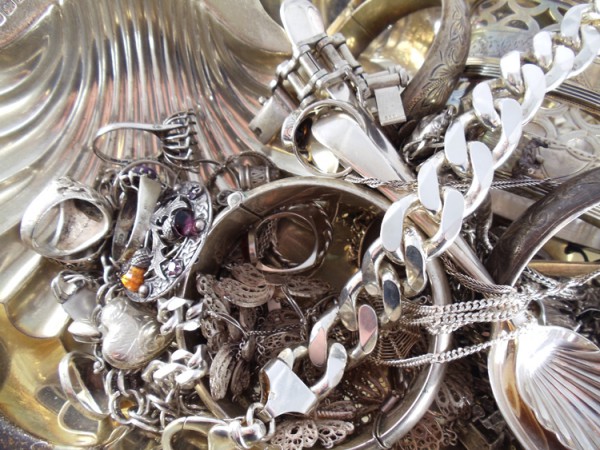
Tips for Preventing the Tarnish on Your Sterling Silver jewelry and Other Items
Sterling silver is gorgeous, versatile, and timeless—but it also has a notorious weakness: it darkens quickly when exposed to air, humidity, sulfur, and everyday chemicals.
Especially if the pieces turn like copper, muddy charcoal, or blacken, it’s a clear sign that tarnish has set in, and the silver needs proper DIY cleaning and care.
The good news is that the tarnish isn’t inevitable. With a few smart habits and the right storage tricks, you can keep your sterling silver shining longer, looking fresher, and requiring far less cleanup.
Let’s walk through some practical, easy-to-follow tips to slow down tarnish and maintain your silver’s brilliance.
1. Store sterling silver in airtight containers
Air exposure is one of the biggest culprits behind tarnish, so sealing your silver away from oxygen makes a huge difference.
Use zip-lock bags, airtight jewelry boxes, vacuum-sealed pouches, or individual anti-tarnish bags.
Always squeeze out as much air as possible before sealing. The less oxygen circulating around your silver, the slower the oxidation process.
2. Add anti-tarnish strips or silica gel packs
Even in airtight storage, tiny amounts of moisture or sulfur in the environment can still cause tarnish over time.
Anti-tarnish strips absorb sulfur compounds, while silica gel packets (or simply a piece of chalk) soak up moisture that accelerates oxidation.
Toss one or two into your jewelry box, silverware drawer, or storage bags. They’re inexpensive and incredibly effective at extending shine.
3. Wear your silver regularly
Surprisingly, wearing sterling silver frequently actually helps keep it tarnish-free. Natural skin oils create a protective environment that slows down oxidation.
This doesn’t mean you should wear silver in the pool or while cleaning (more on that later), but regular everyday wear—out to dinner, to the office, or around the house—can keep it glowing longer.
4. Keep silver away from perfume, lotions, and chemicals
Cosmetics, lotions, sweat, deodorants, hairspray, and household cleaners contain substances that react quickly with silver, causing milky spots on them.
Always put on your silver jewelry after you’re done with your skincare routine, makeup, fragrance, and hair products.
And never clean, swim, exercise, cook, or do dishes while wearing sterling silver—chlorine, detergents, and abrasive chemicals can corrode the silver fast.
5. Avoid humid environments
Humidity is kryptonite for sterling silver. Bathrooms, kitchens, and damp closets are the worst places to store it.
Choose a cool, dry area—preferably a bedroom drawer or armoire with low moisture. If you live in a humid region, pairing your storage setup with silica gel or anti-tarnish cloth becomes even more important.
6. Clean your silver regularly (lightly!)
Frequent light cleaning prevents tarnish from building up into a stubborn black layer.
A quick wipe with a soft microfiber or silver-polishing cloth after each wear helps remove oils, fingerprints, and early oxidation.
If you want, you can also use a bit of conditioner to gently rub on the material. Make sure you blend it using a soft cotton cloth. This will polish and add a protective layer to the silver.
7. Use an anti-tarnish cloth for storing or wrapping
If you prefer fabric storage, choose cloths specifically treated to prevent tarnish. Wrap silver cutlery and jewelry individually before placing them in a drawer or box.
This minimizes air exposure and prevents pieces from scratching each other—a bonus benefit.
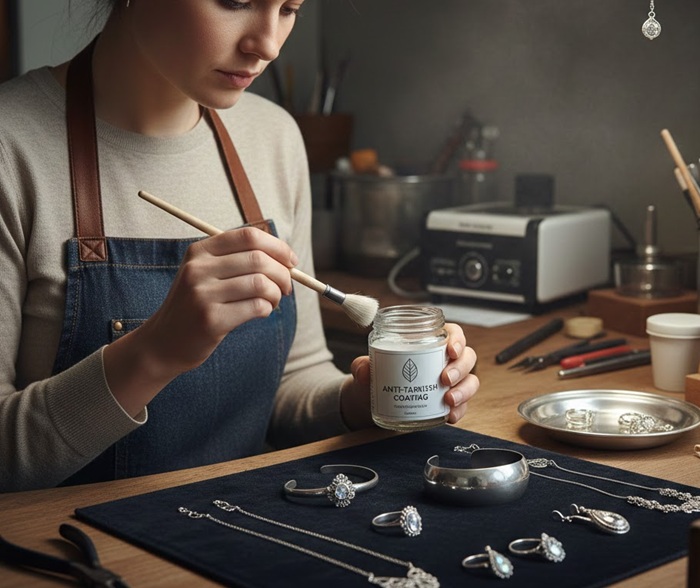
Best Ways to Seal and Coat Your Silver Against Discoloration (Preserving Long-Term Luster)
Coating sterling silver is one of the simplest long-term hacks to stop tarnish before it even thinks about forming.
Whether you’re dealing with everyday jewelry, collectible pieces, or even alloys like white Ultrium and extreme silver, a proper coating creates a stable barrier that blocks oxygen, sulfur, humidity, sweat, and all the other things silver secretly hates.
Think of it as putting your jewelry in a tiny, invisible force field.
1. Microcrystalline Wax (e.g., Renaissance Wax)
Microcrystalline wax is a museum-grade favorite—thin, clear, and surprisingly durable for a material that feels like soft butter. It seals the surface without muting shine, making it perfect for display pieces and items with light use.
It fills microscopic pores on the metal, reducing oxidation pathways and slowing moisture absorption on sterling silver, silver-plated brass, decorative pieces, and jewelry that doesn’t rub all day.
Quick notes:
- Apply a tiny amount, buff gently, let it cure.
- Doesn’t yellow or turn gummy.
- Not ideal for high-friction items like rings.
- Safe for plated, bonded, and mixed-metal jewelry.
2. Clear Lacquer & Polymer Coatings (ProtectaClear, Jewelry-Grade Coatings)
If your jewelry tarnishes aggressively—or reacts to skin chemistry—clear polymer coatings are your heavy-duty option. These resins form a thin, hard film that blocks air, moisture, and sulfur compounds.
The coating cross-links into a chemically resistant shell, making it ideal for pieces worn daily or exposed to sweat and lotions.
Benefits it offers:
- Long-lasting (months to years).
- Crystal clear; won’t dull shine.
- Dip-coating yields smoother, streak-free results.
Just remember: scratches can break the seal—so reapplication may be needed over time.
3. Rhodium Plating (Professional Option)
If you want your silver to stay bright (mirror-like, crisp finish) with minimal fuss, rhodium plating is the VIP solution.
Rhodium, a member of the platinum-group metals, is naturally bright, corrosion-resistant, and doesn’t tarnish—ever. So, it’s great for everyday rings, statement pendants, and high-wear chains. Depending on use, it can last 6–24 months without the harsh effects of sweat and environmental pollutants.
The only drawback of using rhodium plating on silver is that it costs more and requires professional electroplating. Still, the results are stunning and worry-free.
Remember – Before You Coat: Clean Like a Pro
Preparation decides whether your coating lasts six months or six days. Whatever sits on the silver—oils, fingerprints, residue—gets trapped permanently once sealed.
Here are the prep steps you should generally follow:
- Clean the silver thoroughly with mild detergent.
- Remove tarnish completely (no shortcuts).
- Rinse and dry 100%.
- Wipe with isopropyl alcohol to remove oils.
- Wear gloves during application to avoid re-contamination.
Even if you cleaned your silver using a sonicator machine, always dry thoroughly before applying any coating. Moisture hiding in crevices will compromise adhesion and lead to peeling or cloudiness.
Related FAQs
How to tell if your piece is silver-plated or solid silver?
A quick way to identify silver-plated vs. solid sterling is to look for hallmarks. Solid silver typically carries stamps like 925, Sterling, or S925, while plated items may say EPNS, EP, Silver-Plated, or SP.
You can also check wear points—plated pieces may show a yellowish or coppery base metal underneath. Solid silver feels slightly heavier, tarnishes more evenly, and won’t reveal another metal when lightly polished. A jeweler can confirm using conductivity or XRF testing.
Can blackened silver be restored in a sonicator machine?
Yes—but only in specific situations. A sonicator machine can clean surface dirt, oils, and residue from blackened (oxidized) silver, but it cannot restore the intentional dark patina if it has worn off.
In fact, aggressive ultrasonic cleaning may lighten or strip the oxidized finish on heavily treated pieces. Light cleaning is fine, but for restoring the deep black tone, you’ll need professional re-oxidation or a jeweler’s liver-of-sulfur treatment. With proper care, restoration shouldn’t be needed often.
What’s the best ultrasonic cleaner solution for removing silver tarnish?
The best ultrasonic cleaner solution for silver is a mild, silver-safe formula with a neutral to slightly alkaline pH (around 7.5–9). Look for solutions containing chelating agents like sodium citrate (to break down silver sulfide), non-ionic surfactants for better cavitation, and corrosion inhibitors to prevent re-tarnish.
Although warm, soapy water can work for light cleaning, dedicated jewelry-specific ultrasonic concentrates give far better results to safely restore shine without damaging sterling or plated precious metal pieces.
Final Thoughts
Using an ultrasonic cleaner is one of the most efficient ways to restore the sparkle of tarnished silver. Although warm soapy water works for light cleaning, ultrasonic waves penetrate intricate designs and crevices, removing stubborn tarnish without scratching the surface.
Always check compatibility, follow recommended solutions, and avoid prolonged exposure to prevent damage. With proper care, your sterling silver pieces will retain their brilliance, making regular cleaning easier and keeping them looking stunning for years.
